When looking up at space; what do you think about? What questions come to mind? For me, I have lots of questions! Probably too much to tell you all in one blog, but one of the biggest would probably be; can we get to other planets and if so, when by? But to even make it to other planets we have to learn how to survive space first.
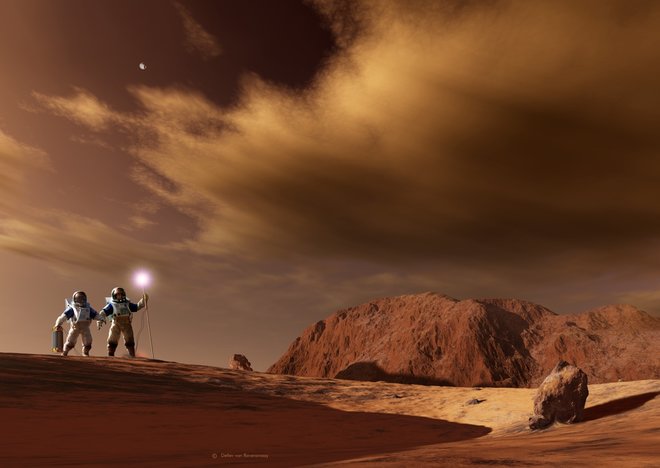
If I asked you what one of the most important things in your life was, what would the answer be? For astronauts, food is up at the top of the list, along with other stressors; because while you’re in space, your food source is Earth which means you have to wait for your food to come to you sadly. So, to traverse across space to another planet you would need to have enough food to even make it that long.
So what is the solution to long term space missions you may ask? What about a space capsule with a habitat attached to it? Food can then be grown to supply the long term missions to space! But as we learn more about what it will take to make it to the martian planet we also have information we already know; like for example; “the pioneers who first set out for Mars will be vetted for qualities like psychological resilience, teamwork skills, self-awareness, and even a good sense of humor before they ever leave the planet. Like astronauts before them, they’ll have to have the ability to keep their emotional responses in control during high-stress, high-risk situations.”
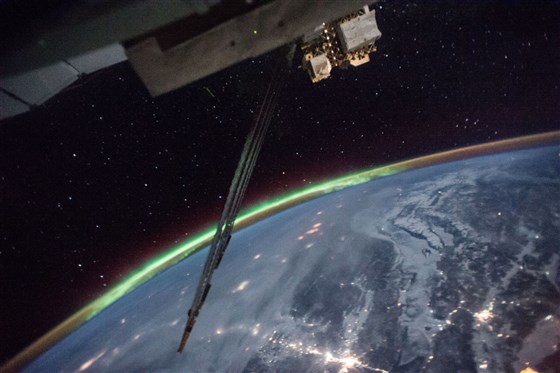
That sounds like a lot just to leave the planet huh? A lot to go through, and then deal with and overcome. Would you be able to survive space with those conditions?
According to NASA, “Space flight is an inherently risky endeavor and NASA has identified 30 human health and performance risks associated with space travel, including Behavioral Health and Performance, Inadequate Food and Nutrition, Space Radiation, and Vision Impairment and Intracranial Pressure. In addition, NASA’s current plan to send a crewed mission to the Martian surface by the 2030s will expose astronauts to new and increased hazards. Although the Agency has developed mitigation strategies to reduce the impact of most of the risks associated with travel in low Earth orbit, many of the risks associated with long duration space travel are not fully understood.”
So while we are still learning how to deal with the affects of long term space missions I can’t give you all the information I would like to but as we get closer to the the 2030’s we should know more about what’s in store for us! Looking back at just the smallest amount of information given in this blog, getting to another plantet sounds challenging and dangerous. Just being able to get your food is a hassle all by itself. Surviving space is no small task; and getting to the martian planet is a whole new level that no one has actually experienced; with that being said I can’t wait to see what the future holds!
 Space Blog
Halo gan, salam kenal panduan artikel inni meman berguna untuk odang
banyak, itu juga termasuk pada saya.
LikeLike